

Recent News
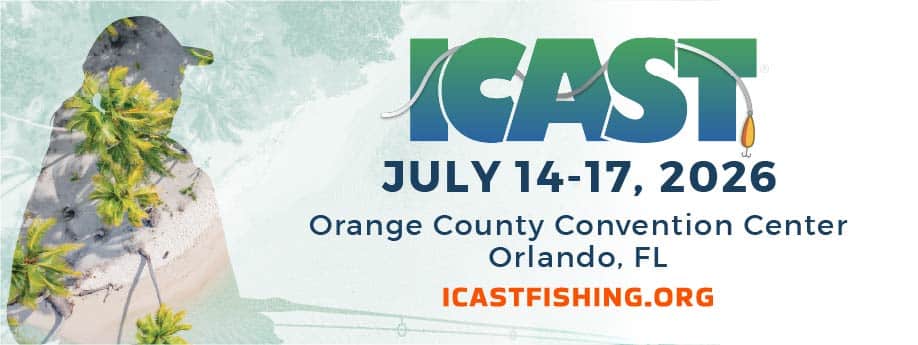
Attend the World’s Premier Sportfishing Trade Show
Join industry leaders & emerging innovators at the ultimate gathering in sportfishing commerce. Learn More
BEWARE of ICAST Hotel Scams
ASA has received reports of unauthorized companies contacting attendees to help with hotel reservations. These companies are not affiliated with ICAST or the official event hotels and are not authorized to book rooms on our behalf.

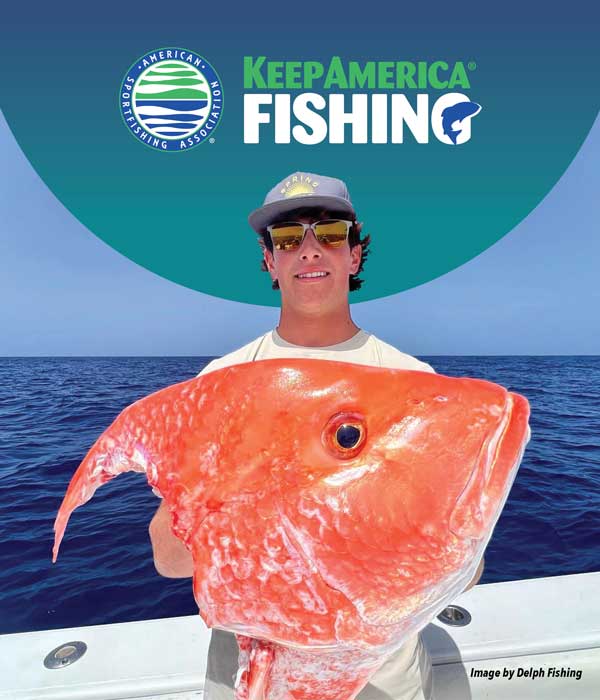
Fish unintentionally caught and killed in the Gulf as bycatch by industrial menhaden operations.
Working for YOU
We take care of the politics so you can concentrate on growing your business.
Efforts are underway to prevent the use of lead tackle for fishing despite scant evidence that using lead has a harmful impact on wildlife populations.
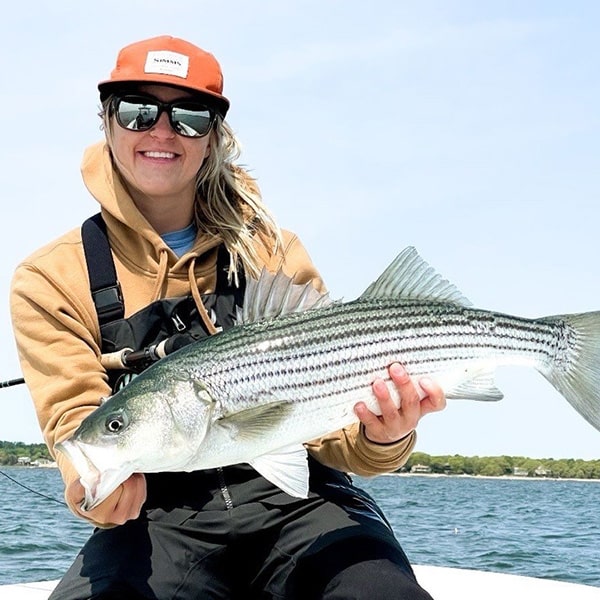
Striped bass are one of the most important fisheries on the Atlantic coast. In fact, striped bass are the most caught saltwater fish in terms of pounds by recreational anglers.
Since taking office, the Trump Administration is taking many actions on tariffs that impact the sportfishing industry, ASA is monitoring, weighing in with the Administration & Congress.
Recruitment, Retention and Reactivation—known as R3—is a nationwide movement to grow and sustain participation in recreational fishing.
Hear from Our Members
Earlier today, ASA’s Pacific Fisheries Policy Director, Larry Phillips, testified before the House Natural Resources Subcommittee on Water, Wildlife and Fisheries. Mr. Phillips emphasized the recreational fishing industry’s concerns with the detrimental impacts sea lions are having on salmon and steelhead populations in the Pacific Northwest.
“For decades, federal, state, and tribal partners – as well as anglers – have invested heavily in salmon recovery through habitat restoration, hatchery modernization, harvest reform, and hydropower mitigation,” said Phillips. “One major factor continues to erode those gains: pinniped predation on salmon and steelhead.”
Learn More: 🔗link in story.
📸Photo: ASA’ Larry Phillips pictured with The Honorable Ken Choke, Chairman, Nisqually Indian Tribe, Olympia, WA; Ms. Aja DeCoteau, Executive Director, Columbia River Inter-Tribal Fish Commission, Portland, OR, and Mr. Ed Johnstone, Chairman, Northwest Indian Fisheries Commission, Olympia, WA.
As we give thanks, we recognize the powerful economic footprint of our industry: $230.5 billion contributed annually, supporting 1.1 million jobs nationwide and contributing $2 billion to conservation, restoration, and access. We are grateful for our 800+ members whose dedication helps our sportfishing community thrive. Wishing you and yours a very Happy Thanksgiving.
🎥 @kelsey_arndt14
#ASAFishing #SportfishingCommunity #KeepAmericaFishing
On November 18, Reps. @repwalberg (R-MI) and @repdingell (D-MI) introduced a bipartisan bill to take on the urgent and growing crisis of invasive mussels in the Great Lakes.
The Save Great Lakes Fish Act calls for federal agencies to work alongside the Great Lakes Fishery Commission and tribal, state, and local partners to coordinate efforts against invasive zebra and quagga mussels.
“Invasive mussels have impacted fisheries across the Great Lakes, reducing opportunities for anglers and the businesses that depend on Great Lakes sportfishing,” said Connor Bevan, Inland Fisheries Policy Director at the American Sportfishing Association (ASA).
The Struggle is REAL 🎣
🎥 @fishingwithdaboys84
Maryland is proposing a revised striped bass recreational season baseline that would increase angler access from 83% to 92% of the year, restore access in April when catch-and-release survival is high, and maintain protection of spawning grounds.
Show your support! 𝐋𝐈𝐍𝐊 𝐈𝐍 𝐁𝐈𝐎