





Grant Funding Available For Coastal Habitat Restoration
by Johanna DeGroff
Nearly $200,000 in grants has just been awarded to nine coastal states through a community-based fisheries habitat restoration program sponsored by the American Sportfishing Association’s FishAmerica Foundation and the Department of Commerce’s National Oceanic and Atmospheric Administration.
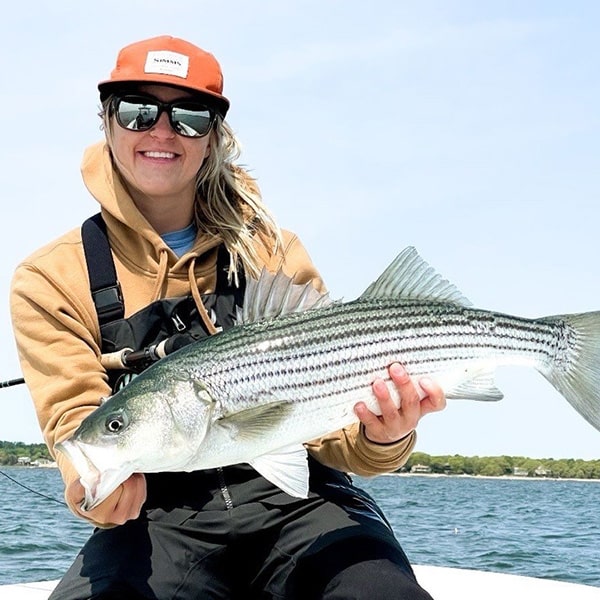
Striped bass, salmon, and shad are among the prized fisheries to benefit from 14 matching grants of up to $30,000 awarded to community partners in Alaska, California, Florida, Maryland, Massachusetts, Oregon, Vermont, Virginia, and Washington. Project descriptions by state are attached.
"We’re supporting quite a range of fisheries restoration projects, and what’s most impressive about all of them is the can-do attitude and enthusiasm of citizens in these communities," said Mike Nussman, President and CEO of the American Sportfishing Association. "That energy from partners and volunteers makes FishAmerica investments go a long way for fish in prime habitats across the country."
More than 40 partner groups and hundreds of volunteers will contribute 15,000 hours to these efforts to improve water quality, revegetate river shorelines and coastal wetlands, and improve fish migration pathways. Projects are part of larger state-wide efforts to restore key watersheds and revive sportfisheries that are important to recreation, local commerce, and tourism.
This round of matching grants closes the first of three major grant cycles per year for the FishAmerica Foundation, the conservation and research projects arm of the American Sportfishing Association created nearly 20 years ago. With nearly $1 million provided annually for grassroots conservation projects in all 50 states, the FishAmerica Foundation helps community partners build fish ladders, stock fish, create fishing ponds, and improve habitat and fishing opportunities. Another $250,000 in similar grant funding is now open for proposals until July 24. More information is available at fishamerica@asafishing.org.
The American Sportfishing Association is the recreational fishing trade association, with 400 members representing the fishing and boating industry, state and federal natural resource agencies, angler advocacy groups, and outdoor journalists. The American Sportfishing Association initiates and supports efforts to advance healthy fisheries, fishing opportunities, and a profitable sportfishing industry.
FishAmerica Foundation Grants June 2002
Alaska: The Alaskan Youth Restoration Corps of Kenai will use $12,500 to restore salmon and trout spawning habitat within the Chugach National Forest, part of a larger effort to restore 13 miles within the Kenai River watershed, a prized fishing destination. Three previous FishAmerica grants have supported this group in restoring more than 3,000 feet of streambank and revegetating 60 acres in the same watershed. In addition, the Copper River Watershed Project of Cordova will use nearly $10,000 to restore salmon habitat in Eyak Lake, noted for its sockeye and coho. Lakeshore restoration is part of an effort to create an urban park with sportfishing access.
California: Students with the California Conservation Corps of Fortuna will use nearly $12,000 to work with a landowner to restore stream flow for salmon and steelhead trout on a portion of the Bear River. The group will install structures and revegetate shoreline areas to stabilize a portion of the river and prevent further harmful erosion. In addition, the Agua Hedionda Lagoon Foundation will use $30,000 to eradicate noxious alga spreading through a popular 220-acre lagoon for bass and halibut fishing.
Florida: The Tampa Bay Chapter of the Florida Coastal Conservation Association will use nearly $11,000 to restore fisheries habitat at Ballast Point Park, a popular spot for snook, redfish, sheepshead, and black drum fishing. Volunteers will remove a concrete sea wall to prevent further shoreline erosion and destruction of wetland spawning areas for these fish. They also will create an artificial reef along 200 feet of shoreline, and plant native wetland vegetation and mangroves.
Maryland: The Assateague Coastal Trust of Berlin will use $10,000 to create oyster reefs at the mouth of the St. Martin’s River and Ocean City Inlet, two popular areas for flounder, bluefish, croaker, and speckled trout fishing. The reefs help sustain water quality and provide habitat for these fisheries.
Massachusetts: The Trustees of Reservations of Beverly will use $15,000 to restore fish passage and 15 acres of habitat in the Damde Meadows Salt Marsh in Hingham, a popular sportfishing site. The Trustees will install two culverts to restore tidal flow and fish passage to this valuable habitat.
Oregon: A former cattle ranch turned botanical garden and community center, Pacifica of Williams will use nearly $15,000 to restore fish passage, habitat, and water quality along 11 miles of Powell Creek, part of the Rogue River watershed and an important area for salmon and steelhead trout. Pacifica will replace a dam to a newer model that can open up 8 creek miles for spawning habitat. The group also will install a fish ladder to help juvenile salmon migration, stabilize streambanks, and revegetate 5 acres of shoreline.
Vermont: The Northeast Kingdom Conservation Service Corps of St. Johnsbury will use $7,000 to restore salmon and rainbow, brook, and brown trout habitat on the Sleepers River, part of a larger effort to restore the Atlantic salmon migration routes in the Connecticut River. Shoreline areas on the Sleepers River will be stabilized and revegetated to help filter runoff and improve water quality for these fisheries.
Virginia: The Alexandria Seaport Foundation will use $9,000 to restore a mile of tidal wetlands along the Potomac River to benefit striped bass, hickory shad, smallmouth bass, and perch. The group is working with the U.S. Fish and Wildlife Service’s Schoolyard Habitat Program and local high school greenhouses to grow wetland plants for revegetation efforts, and recruiting volunteers to remove debris beforehand. In addition, the Northumberland Association for Progressive Stewardship of Heathsville will use $2,250 to work with landowners to revegetate portions of the Yeocomico River, part of the Chesapeake Bay watershed, with native marsh grasses, benefitting striped bass, American shad, bluefish, croaker, and flounder. Another grant for $30,000 is awarded to the James River Association of Richmond to support ongoing efforts to revive American Shad and striped bass runs. Shoreline revegetation efforts will stabilize streambanks and prevent sedimentation affecting water quality for these fisheries.
Washington: The Willapa Bay Fisheries Enhancement Group of South Bend will use $30,000 to restore fish passage and habitat on more than 10 miles of salmon and trout streams in the Willapa Bay watershed. They will replace a failed fish ladder and culverts that currently block migration pathways leading to important spawning areas. In addition, the Columbia-Pacific Resource Conservation and Economic Development District of Aberdeen will use $25,000 to restore salmon habitat in Alder Creek on the Grays Harbor College campus. The group will recreate a natural meander on a 1,000-foot stretch of the creek and recruit community volunteers, Boy Scouts, and local students to remove invasive plants, revegetate shoreline areas, and recreate gravel spawning beds.